
How to Avail EV Incentives and Subsidies in India: A Complete Guide
How to Avail EV Incentives and Subsidies: Electric Vehicles (EVs) are no longer just a futuristic concept—they’re fast becoming a part of everyday life in India. With rising fuel costs, increasing awareness about climate change, and government-backed policies, EVs are gradually reshaping how Indians commute.
However, while the environmental and long-term financial benefits of EVs are clear, the high upfront cost still makes many buyers hesitant. To bridge this gap, the Indian government—both at the central and state levels—offers subsidies and incentives that significantly reduce purchase costs.
But here’s the catch: many buyers are either unaware of these benefits or find the process of claiming them confusing. That’s exactly what we’re breaking down today—a step-by-step guide on how to avail EV incentives and subsidies in India, along with an overview of state-specific benefits, challenges, and expert solutions to maximize savings.
Also Read: How to Choose the Right EV Charger for Home Use: A Complete Guide
Why EV Incentives Matter in India
India is one of the largest automotive markets in the world, but it’s also among the most pollution-challenged. Shifting to EVs can reduce dependence on imported oil, cut emissions, and push India closer to its clean mobility goals.
Yet, EV adoption faces hurdles:
- High Purchase Price compared to petrol/diesel vehicles.
- Limited Charging Infrastructure in many states.
- Awareness Gap among buyers.
This is where subsidies play a crucial role. By lowering upfront costs and offering additional perks like road tax exemptions, these incentives make EVs financially attractive for the common buyer.
Step-by-Step Guide- How to Avail EV Incentives and Subsidies
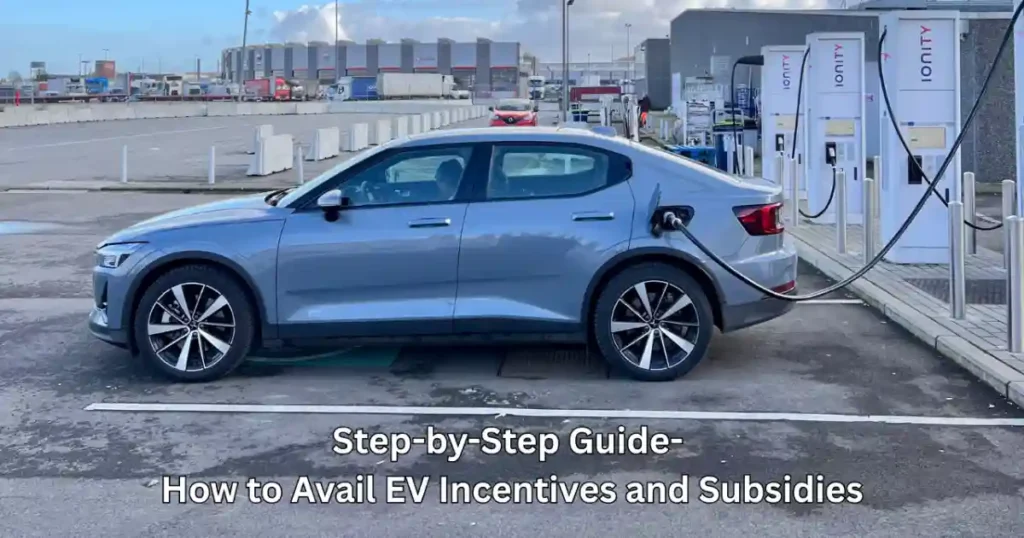
The Government of India has simplified the subsidy process, especially with the launch of the PM E-DRIVE portal. Here’s how the process works:
1. Buy an Eligible Electric Vehicle
- Check Certification: Confirm with the dealer that the EV is approved under government schemes like PM E-DRIVE.
- Choose a Registered Manufacturer: Only Original Equipment Manufacturers (OEMs) registered with the government can provide subsidized vehicles.
2. Complete Aadhaar-Based e-KYC
- Provide Aadhaar Details: The dealer initiates e-KYC through facial recognition and Aadhaar authentication using the PM E-DRIVE app.
- Get an e-Voucher: Once verified, an e-voucher is generated and sent to your registered mobile number.
3. Digital Signature of e-Voucher
- Sign the Voucher Digitally: Buyers must digitally sign the e-voucher.
- Submit Back to Dealer: This confirms your eligibility for the subsidy.
4. Discount Applied on Invoice
- Dealer Adjusts Subsidy: The subsidy amount is directly deducted from the vehicle’s invoice.
- Immediate Benefit: Unlike traditional rebates, you don’t have to wait for months—the discount applies instantly.
5. OEM Claims Reimbursement
- Dealer Uploads Voucher: The signed e-voucher is uploaded to the PM E-DRIVE portal.
- Government Pays OEM: The subsidy amount is reimbursed to the manufacturer, not the buyer.
Key Advantage for Buyers: No government office visits, no complex forms—the dealership handles everything.
National-Level EV Subsidy Programs
India has launched multiple initiatives over the years:
FAME II (2019–2024)
- Financial incentives for 2W, 3W, and 4W EVs.
- Support for charging infrastructure.
EMPS (Electric Mobility Promotion Scheme) 2024
- Short-term scheme (April–Sept 2024).
- Continued subsidies for two- and three-wheelers after FAME II ended.
PM E-DRIVE (Launched Sept 2024)
- Latest central scheme.
- Covers subsidies for cars, scooters, buses, trucks, and even ambulances.
- Focuses on public transport electrification and charging stations.
Common Types of EV Incentives
- Purchase Incentives
- Direct discount on EV cost.
- Biggest motivator for buyers.
- Tax Benefits
- Reduced GST (5%) vs. 28% on petrol/diesel cars.
- Road tax waivers in several states.
- Registration fee exemptions.
- Charging Infrastructure Support
- Subsidies for installing home/public charging points.
- State-Specific Perks
- Free parking, toll exemptions.
- Extra financial incentives on top of central schemes.
Also Read: How to Optimize Gaming PC for Ray Tracing: 10 Easy Steps
State-Wise EV Subsidies in India
Many Indian states add their own layer of incentives to central government schemes. Here’s a snapshot:
- Delhi: ₹30,000 subsidy on electric two-wheelers; waiver on road tax and registration fees.
- Maharashtra: Incentives up to ₹1.5 lakh for electric four-wheelers.
- Gujarat: ₹20,000 for two-wheelers, ₹50,000 for three-wheelers, and up to ₹1.5 lakh for cars.
- Tamil Nadu: Full waiver on road tax for EVs.
- Karnataka: First state to announce an EV policy; offers capital subsidies for charging stations.
- Telangana & Andhra Pradesh: Free parking for EVs in certain urban areas.
(Note: State policies keep changing—always check the latest notifications before making a purchase.)
Challenges in Claiming EV Subsidies
Despite simplified systems, many buyers and dealerships face hurdles:
- Complex Documentation – Missing even one required document can delay claims.
- Varying State Rules – Each state has different eligibility and processes.
- Slow Reimbursement – Manufacturers sometimes face months-long delays in reimbursement.
- Eligibility Confusion – Not all EVs qualify; buyers often struggle to check eligibility.
How Expert Services Simplify the Process (Example: Shimnit)
Companies like Shimnit EV Consulting help bridge the gap by managing the subsidy process for both buyers and dealers.
Benefits for Buyers
- Hassle-free paperwork.
- Maximum savings (all eligible incentives claimed).
- Faster reimbursements.
- Guidance on best state + central benefits.
Benefits for Dealers
- Faster sales cycles.
- Better customer satisfaction.
- Reduced compliance risks.
- Improved profitability.
Example: A buyer saved ₹1.5 lakh on an electric SUV purchase by leveraging both state and central subsidies with Shimnit’s support.
Also Read: How to Create a Budget That Actually Works, 2025 Guide
The Bigger Picture: Why EV Subsidies Matter for India
- Boost EV Sales → More affordable vehicles = faster adoption.
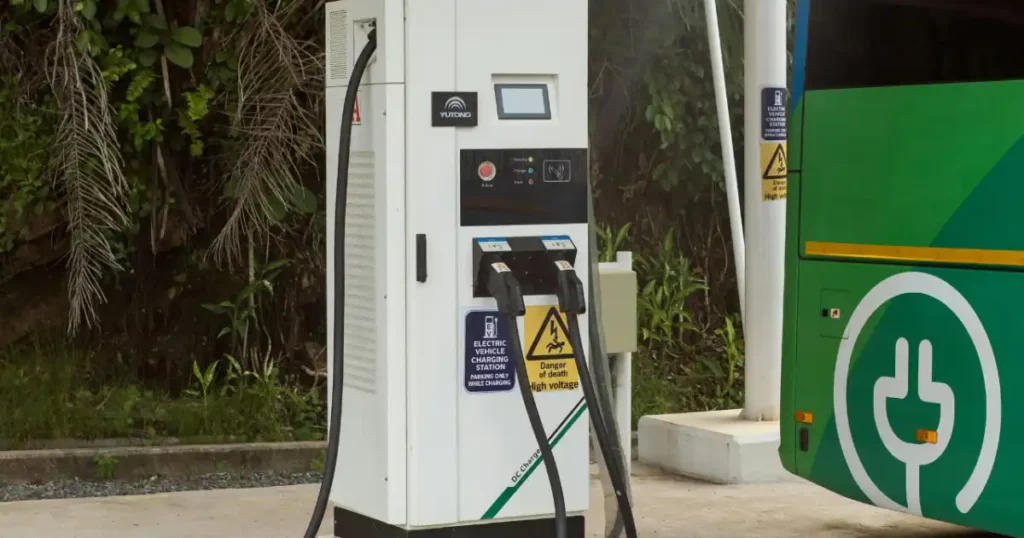
- Encourage Infrastructure Growth → More charging stations across states.
- Environmental Benefits → Reduced carbon emissions, cleaner cities.
- Support “Atmanirbhar Bharat” → Promotes local EV manufacturing and jobs.
Conclusion
Final thoughts on (How to Avail EV Incentives and Subsidies)- Government subsidies are one of the strongest tools pushing India toward an electric future. By reducing upfront costs, offering tax waivers, and supporting charging networks, these incentives are reshaping mobility in India.
However, navigating the maze of central and state-level benefits can be tricky. The good news? With dealer support, simplified portals like PM E-DRIVE, and expert consulting services, buyers can claim subsidies smoothly and maximize savings.
If you’re planning to buy an EV, always check eligibility, confirm dealer registration, and explore both national and state incentives—you might save more than you think!
FAQs on How to Avail EV Incentives and Subsidies
Q1. Do all EVs qualify for subsidies in India?
No. Only models approved under government schemes (like PM E-DRIVE) and sold by registered OEMs are eligible.
Q2. Can I claim both central and state EV subsidies?
Yes. Most buyers can benefit from both central and state-level incentives, provided their EV model qualifies.
Q3. Is Aadhaar mandatory for claiming EV subsidies?
Yes. An Aadhaar-based e-KYC is required to generate and sign the subsidy e-voucher.
Q4. How long does it take to receive the EV subsidy?
For buyers, the subsidy applies instantly as a discount on the invoice. The OEM later claims reimbursement from the government.
Q5. Do EV subsidies also cover charging stations?
Yes. Both central and some state governments provide subsidies for setting up residential and public EV charging points.
Disclaimer: The information provided in this article is for general awareness purposes only. EV subsidy policies and incentives are subject to change by central and state governments. Buyers should always verify the latest eligibility criteria and official notifications before making a purchase.
Also Read: How to Manage Family Finances and Save for College, 8 Easy and Proven Steps

Hello my loved one I want to say that this post is amazing great written and include almost all significant infos I would like to look extra posts like this
The FAQs cover in this post, are clear my all doubt. Thanks for sharing this.