
Doom Spending: What It Is and How to Break Free From It
In today’s always-on world, where doom scrolling is the norm and anxiety seems to linger in the background of daily life, a quiet yet damaging financial behavior has taken root: doom spending.
This rising trend, especially prevalent among Gen Z and millennials, is more than just impulsive shopping. It’s a coping mechanism for dealing with uncertainty, fear, and burnout. If you’ve ever found yourself buying things just to feel a brief moment of control or comfort, you might be caught in the cycle of doom spending. Here’s everything you need to know about what it is, why it happens, and how you can regain control of your money—without giving up the joy in your life.
Also Read: How to Build a Mental Health Self-Care Routine That Actually Works
What Is Doom Spending?
Doom spending is the act of making impulsive, emotionally driven purchases in response to anxiety, uncertainty, or feelings of helplessness. It often looks like late-night online shopping sprees, unnecessary retail therapy, or overindulging in things you don’t really need—just to feel better.
Common triggers include:
- Global crises (climate change, inflation, war)
- Economic instability or job insecurity
- Social comparison or digital overwhelm
- Burnout from work or personal responsibilities
Unlike traditional emotional spending, doom spending is often rooted in a sense of fatalism: “If the world feels out of control, I might as well enjoy this moment.”
Why Doom Spending Is So Harmful
While treating yourself occasionally is healthy, doom spending can quietly unravel your financial stability. Here’s why it’s dangerous:
- It creates a cycle of stress and regret: Spending leads to guilt, which fuels more emotional spending.
- It contributes to debt: Small, frequent impulse buys can accumulate quickly.
- It delays long-term goals: You may end up derailing savings, investments, or debt-payoff plans.
- It affects your mental health: The brief high of spending is followed by anxiety and shame.
Also read: How to Get Better Sleep: Proven Tips for Deep, Restful Nights
How to Know If You’re Doom Spending
You might be caught in a doom spending loop if:
- You often shop online late at night
- You say “I deserve this” even when it strains your budget
- You feel a rush before buying and regret afterward
- You can’t remember where your money went each month
Recognizing the pattern is the first step toward breaking it.
How to Stop Doom Spending (Without Feeling Deprived)
You don’t have to choose between joy and financial responsibility. Here’s how to make smarter money choices without falling into the deprivation trap:
1. Pause and Reflect Before You Buy
Before any purchase, take a breath and ask:
- What am I feeling right now?
- Is this an emotional decision or a practical one?
- Will this bring long-term satisfaction or short-term relief?
Even a 5-minute pause can help you spend with intention.
2. Build a Guilt-Free Budget Line
Allocate a small portion of your monthly budget ($50–$100) for feel-good spending. Use it for items or experiences that genuinely bring joy—but stick to that limit.
This prevents impulse spending while still allowing for treats.
3. Create Healthier Coping Mechanisms
Replace shopping with non-financial ways to manage stress:
- Journaling or brain-dumping thoughts
- Going for a walk or light exercise
- Talking to a supportive friend
- Meditating or using a mindfulness app
- Organizing or planning your finances
4. Use the “Value Check” Rule
Ask yourself: Does this align with my values or just soothe my stress? This helps differentiate between meaningful and meaningless purchases.
5. Declutter Your Digital Environment
Reduce temptations:
- Unsubscribe from marketing emails
- Unfollow influencers who push consumerism
- Delete shopping apps or log out of accounts
- Use browser extensions to block retail sites
Out of sight, out of spend.
6. Set Feel-Good Financial Goals
Redirect your desire for control into goal-setting:
- Save $500 for emergencies
- Pay off one credit card in 6 months
- Contribute $100/month to a Roth IRA
- Try a 7-day no-spend challenge
These goals give purpose to your spending (or saving) decisions.
Also Read: How to Overcome Procrastination and Stay Motivated
Final Thoughts: Spend With Intention, Not Anxiety
Doom spending is a modern coping tool, but it comes at a cost—financially and emotionally. The good news? You can break the cycle without giving up the small joys that make life enjoyable.
By pausing before you purchase, aligning your spending with your values, and building healthier habits, you take control of your financial story.
Remember: You don’t need to spend to feel in control. You take control by deciding where your money goes—and why.
Take Action Today
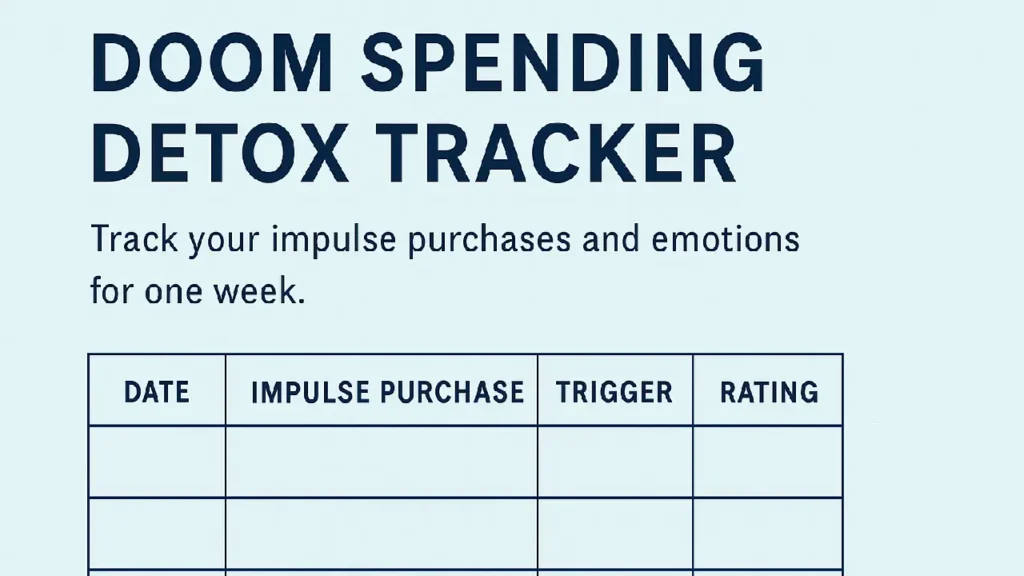
Start your “doom spending detox” with these three steps:
- Track every purchase for one week and identify emotional triggers
- Unsubscribe from marketing emails that tempt you to spend
- Set a $50 monthly self-care budget and stick to it
Ready to turn your finances around? Share your progress on social media with #DoomSpendingDetox and tag financialassetss.com to inspire others!
Also Read: How to Help Your Kids Develop Good Study Habits
FAQs About Doom Spending
Q1. What is doom spending?
Doom spending is the act of making impulsive or emotional purchases in response to anxiety, uncertainty, or negative news. It often stems from a desire to gain control or comfort during stressful times.
Q2. How is doom spending different from emotional spending?
While both involve spending driven by emotions, doom spending is specifically linked to broader anxieties like inflation, climate change, or global instability, rather than personal mood swings alone.
Q3. Why do people doom spend?
People doom spend to cope with feelings of helplessness or dread. Buying something new provides a short burst of dopamine and a sense of control, even if it’s temporary.
Q4. Is doom spending always a bad thing?
Not necessarily. Occasional indulgences are fine, but if it becomes a repeated pattern that harms your finances or mental well-being, it’s a red flag.
Q5. How can I stop doom spending without giving up everything I enjoy?
Create a guilt-free spending budget, identify your emotional triggers, and replace shopping with healthier habits like journaling, walking, or setting positive financial goals.
Q6. Can doom spending be linked to mental health?
Yes. Chronic doom spending may signal underlying stress, anxiety, or burnout. Addressing the root cause with therapy or self-care can improve both mental and financial health.
Q7. Are younger generations more affected by doom spending?
Yes. Gen Z and millennials, who are more active on social media and face unique financial pressures, are more likely to experience doom spending behaviors.
Also Read: How to Decorate a Small Space on a Budget: 10 Proven Ways
